 |

How Fast is Your First Aid?Dear Reader, Every year, up to 150,000 people die in situations where first aid could have given them the chance to live (according to the Office of National Statistics, England and Wales, 2008). Do you know what to do if someone at work has an accident? How quickly can you respond? Would your colleagues know how to save your life if you had an accident at work? In this issue of Growing Skills, we look at the legal requirements for employers and how you can keep your staff safe. If you would like to book any of our First Aid at Work courses, click here to see the course dates and prices. For answers to all your questions, just get in touch by clicking here to email us or by calling us on 01285 889 873. Best wishes, James How Fast is Your First Aid?The Health and Safety (First Aid) Regulations of 1981 require employers to provide adequate and appropriate equipment, facilities and personnel to make sure their employees receive immediate attention if they are injured or taken ill at work. These Regulations apply to all places of work, including those with less than five employees; they also apply to people who are self-employed and sole traders. 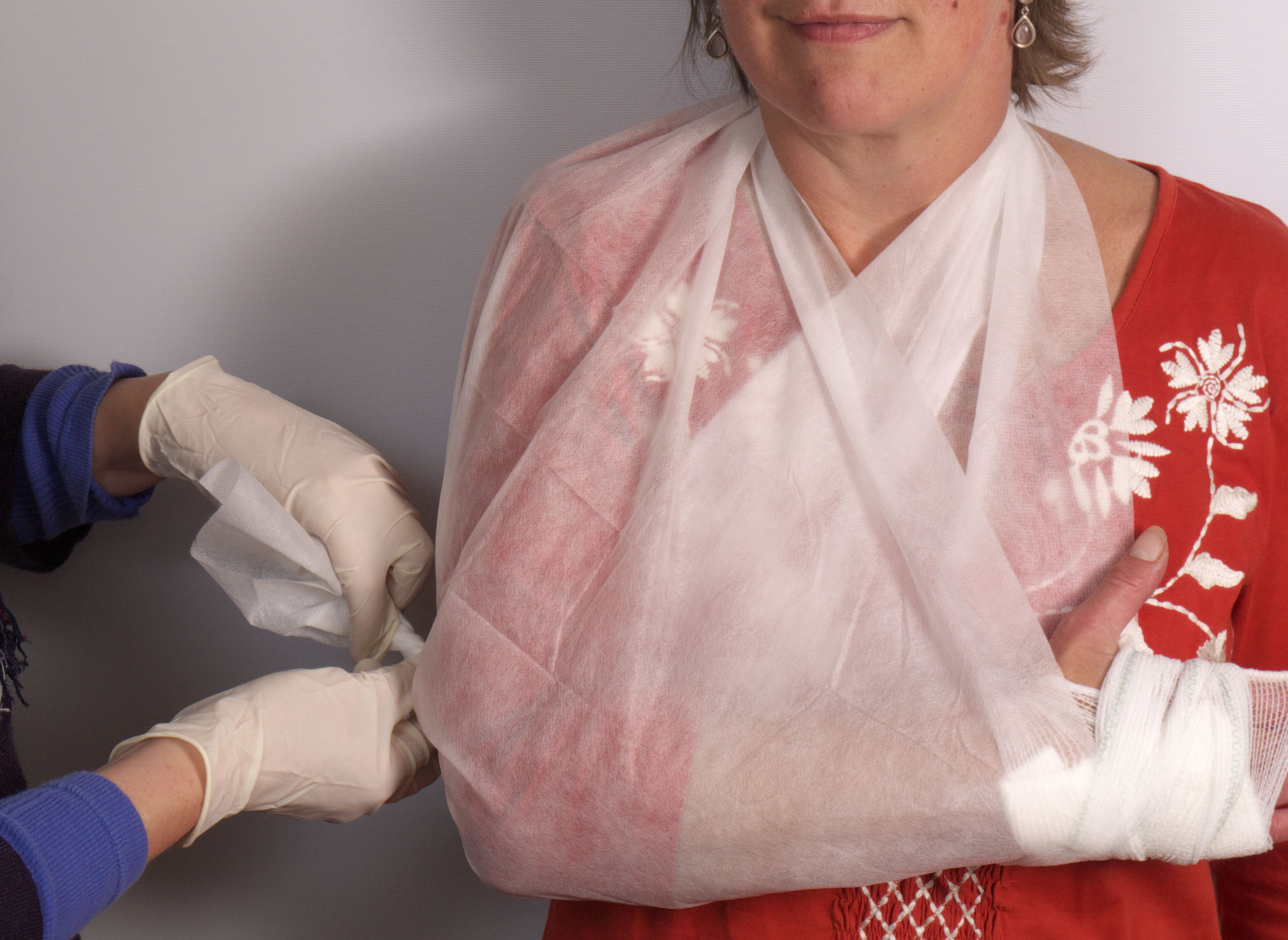 What is ‘adequate and appropriate’? This depends on the circumstances in your particular workplace. It includes whether or not trained first aiders are needed, what should be included in your first aid box and if you need to provide first aid room. If you’re an employer, you need to carry out an assessment of first-aid needs to determine what you need to provide. What is ‘adequate and appropriate’? This depends on the circumstances in your particular workplace. It includes whether or not trained first aiders are needed, what should be included in your first aid box and if you need to provide first aid room. If you’re an employer, you need to carry out an assessment of first-aid needs to determine what you need to provide.Regardless of the size of your business and what you do, you need to appoint someone to take charge of first aid arrangements. The HSE (Health and Safety Executive) made changes to the number of first aiders required in a business in October 2009, so you need to find out how the regulations affect your organisation. Since 1997, first kits have been the workplace standard based on BHTA (British Healthcare Trade Association) guidelines. As work environments and first aid protocols have changed, and new first aid products have been developed, the BHTA and the BSI (British Standards Institute) have announced a new standard of workplace first aid kits to help provide more effective first aid. This means that if you’re using an old first aid kit, or you’re sticking to the 1997 guidelines, you probably need to buy a new first aid kit! The provision you make for first aid in your workplace will affect the speed with which you and your colleagues can respond to accidents. This speed can make all the difference. |
|
|
|
Book Your Place on the Course!To ensure your place on one of our first aid courses book your place today. Our tutors are fully qualified to the latest standards and guidelines. Details of forthcoming first aid courses are as follows. Emergency First Aid at Work This 1 day course will show you how to treat a casualty with basic first aid in the event of an accident and further life saving skills. Cost – £82 Start Dates: 14th November 2012, 16th January 2013, 13th March 2013, 15th May 2013 and 17th July 2013. First Aid at Work As an employer you might decide that you need a first-aider. This is someone who has been trained by an approved organisation and holds a qualification in first aid at work or emergency first aid at work. The Rural Skills Centre offer 3 day First Aid at Work courses. Course cost - £295. Dates - contact us for dates and further information. Defibrillator Courses First aid at work (FAW) courses do not generally cover the use of defibrillators. If you decide to provide a defibrillator in your workplace, it is important that those who may use it are appropriately trained. Should you require such training we can either incorporate it into our first aid training courses, or hold separate training sessions. Contact us for further information. Refresher Courses If you are an appointed first aider and have completed a recognised first aid course, you must attend a refresher course within a 3 year period in order to remain qualified. We run refresher courses on various dates over the year; contact us for dates and costs. Rural Skills Centre Courses We currently have some places remaining on the following courses, book soon to avoid disappointment as the courses do fill up. Arboriculture 1 - Chainsaw LANTRA Awards Maintenance and Operation (Cross Cutting) 12th & 13th November, 3rd & 4th December. £285 Arboriculture 3 - Chainsaw CS30 (CS30.1/CS30.2) Maintenance, Operation and Cross Cutting. 12th & 13th November. £415 Arboriculture 5 - Chainsaw CS30/CS31 Maintenance and Felling of Small Trees w/c 10th December. £770 Arboriculture 8 - Chainsaw CS38 Tree Climbing and Aerial Rescue. w/c 19th November, w/c 17th December. £775 Dry Stone Walling Module 1 Introduction, 10th November, 8th December. £80 Dry Stone Walling Module 2 Walling Features. 24th November. £80 First Aid: Emergency First Aid at Work. 14th November. £82 Forklift Rough Terrain -Telescopic (Experienced). 19th & 20th December. £300 Hedge Laying - Introduction. 3rd November, 1st December. £75 Pest Control - Rabbits & Moles. 23rd November. £125 Pest Control - Rodents. 7th December. £125 Pesticide Application PA1 Safe Use of Pesticides. 28th November. £135 Pesticide Application PA6A Hand Held Applicator. 5th December. £220 Tractors: Introduction. 1st & 2nd November, 29th & 30th November. £200 Tractors: Operation & Machine Handling. 13th & 14th December. £225 Welding (Module 2) Intermediate Welding and Fabrication. 4 consecutive Tuesday evenings commencing 13th November. £155 |
| Send to a Friend - You may send this
newsletter to a friend |

|
You have received this issue of our newsletter because you requested it or I thought you would find it useful. If you would rather not receive any more issues, please follow this link. If this issue has been forwarded to you and you would like to receive regular issues, please follow this link. |
 |
