 |

Conservation Management: BiodiversityDear Reader Conservation management is a key topic of interest for the farming community at the moment. But balancing the need for greater food production with protection of the environment is a juggling act. Organic and conservationist farming methods require significant physical and economical investment but there are huge benefits to be had particularly in the field of biodiversity. This issue of Growing Skills will help explain the benefits and identify practical and cost efficient ways to promote increased biodiversity on our farmlands. Best wishes James Practical Conservation Management
It is well documented that habitat loss is one of the main threats to biodiversity. Modern organic farming practices such as the removal of pesticides, increased use of manure and crop rotation provide the greatest chance for species such as birds, butterflies, soil microbes, beetles, earthworms, spiders and mammals to thrive. This increases biodiversity which in turn protects farming viability and sustainability for the long term. But these practices come at a price. They can be expensive to implement and labour intensive to maintain. However, all is not lost! Sound resource management and the use of environmentally friendly practices will drive efficient farming techniques and generate long-term income protection by improving drought resistance and ensuring our natural resources are sustainable and able to cope with ever-increasing demand. There are some easy and cost effective wins:
|
|
|
|
Upcoming Course InformationFor information about forthcoming courses at the Rural Skills Centre, please check our website. |
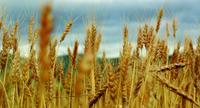 Biodiversity is of critical interest to farmers. They have a heavy duty of care to not only sustainably manage the environment but also deliver increased food production. Conventional farming practices such as the use of pesticides may reap reward in terms of crop yield but do they protect farmlands and livelihoods for the long term?
| Send to a Friend - You may send this
newsletter to a friend |

|
You have received this issue of our newsletter because you requested it or I thought you would find it useful. If you would rather not receive any more issues, please follow this link. If this issue has been forwarded to you and you would like to receive regular issues, please follow this link. |
 |
