Happy New Year
Dear Reader
Here at the Rural Skills Centre we constantly strive to expand and improve the range of training solutions we offer. To kick off 2012 with a bang we have added a range of animal handling and management courses to our portfolio.
It is never wise to underestimate the risks associated with handling livestock. Injuries from crushing, kicking and butting are all too common. In this issue of Growing Skills we will look specifically at cattle handling techniques and considerations and the implications of getting it wrong.
Best wishes
James
Managing Cattle Movement is an Art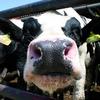 Moving cattle safely from one place to another requires skill and planning. Cattle and handler safety must always be your prime concern when planning any handling activity. Moving cattle safely from one place to another requires skill and planning. Cattle and handler safety must always be your prime concern when planning any handling activity. The HSE estimates that every year on average 2 workers are killed and over 100 injured whilst handling cattle. However, it can also have significant impacts on revenue. Stress caused by poor handling can have detrimental effects on meat quality (e.g. dark meat and bruising), weight gain, reproductive function and immune system. It is therefore essential that you put in place an effective handling system.
Key considerations:
- Know your cattle: understand their view of the world, natural herding instincts, herd leaders and any temperamental animals
- Understand the potential stress factors: ensure continuous, steady movement; eliminate distractions; do not over pack pens; avoid herding into sunlight; remove any debris/obstacles and keep human movement and noise to a minimum
- Plan your layout: site should be level and surfaces dry; direction of stock flow planned; curved layouts used wherever possible; layout designed to keep animals focused on where they need to go; use solid sided, long narrow pens; gates should be easy to open/close and quiet etc.
- Ensure you only use trained at competent staff and that they are adequately supervised.
|
What Makes a Good Handler?
There is no legal upper or lower age limit for cattle handling, but as a rule children younger than 13 should not be permitted to enter cattle housing or handle cattle. Likewise handlers over the age of 65 should be assessed for fitness prior to handling.
What makes good cow sense? Handlers must:
- Be adequately trained and competent
- Understand animal behaviour
- Understand their herd and how to group animals effectively
- Be physically fit and well
- Understand how to plan the site
- Understand how to use and maintain safety equipment
- Be able to assess the site and plan movement accordingly
- Be aware of potential dangers and stress factors
Be able to work calmly
- Plan how many people are needed for each movement and use their particular skills and abilities to best effect
- Be supervised.
Our newly launched course will provide handlers with all the information they need to handle cattle safely. The course includes:
- An introduction including the basics such as handling needs, accident information, roles and responsibilities
- Field skills and assessment techniques
Breed types and characteristics
- Production and management methods
- Natural behaviours and human interaction
- Handling and restraint methods
- Handling techniques
- Components of an effective facility
- Practical training in moving stock, using equipment etc.
|
|
Upcoming Course Information
Dates of our forthcoming livestock courses are as follows:
- 18th January: DAIRY (Improving Herd Fertility)
- 25th January : DAIRY (Infectious diseases control)
- 1st February: BEEF (Breed selection for Beef Production)
- 8th February: BEEF (Managing the pregnant cow)
- 15th February: PIG (Gilt selection and management to the point of service)
- 22nd February: PIG (Care of finishing pigs)
- 29th February: SHEEP (Lameness and Foot Care)
- 7th March: SHEEP (Management of the Lambing Flock and newborn)
- 14th March: SHEEP (Parasite Control).
We also have availability on:
January:
- NPTC CS38, Tree Climbing and Aerial Rescue - w/c 16th January
- NPTC CS39, Using a Chainsaw with Rope & Harness - 23rd & 24th January
- ATV – 25th January
- Hedge Laying, Introduction – 7th January
- PA1 Safe Use of Pesticides - 25th January
- Tractors, Introduction - 26th & 27th January
Lantra Tractor, Operation & Maintenance - 12th & 13th January.
February:
- NPTC CS30/CS31 Chainsaw Maintenance, Operation & Cross Cutting - w/c 13th February
- NPTC CS38, Tree Climbing and Aerial Rescue - week commencing 20th February
- BASIS Certificate in Conservation Management – 6th to 8th February
- BASIS Nutrient Management - 20th to 22nd February
- BASIS Soil & Water Management - 27th February to 6th March
- Introduction to Blacksmithing & Ornamental Ironwork - 25th February
- Dry Stone Walling, Introduction - 18th February
- FACTS (Fertiliser Advisors Certification and Training Scheme) – 13th to 16th February (Exams 21st Feb)
- Hedge Laying, Introduction - 4th February
- Lantra Tractor, Operation & Maintenance - 16th & 17th February
|