 |

Safe Use of ATVsDear Reader All-Terrain Vehicles (ATVs) are now a popular and commonly used item of machinery in farming, forestry and estate management. They offer many benefits such as their adaptability for a wide variety of uses, low running costs and easy operation. However, they do carry significant safety risks and it is important that employers and operators are aware of the potential hazards in order to minimise the incidence of injury or even death. In this issue of Growing Skills we look at the safe operation of ATVs (including quad bikes and sit-ins) and provide guidance as to the steps you must take to ensure you are doing everything reasonably possible to keep your farms and estates safe. If you know of anyone else that may benefit from receiving this information simply click on the button above to forward it to them. Best wishes James Safe operation of ATVs: What You Need to Know
In recent years high profile quad bike casualties such as Rik Mayall and Ozzy Osbourne have served to increase public awareness as to the risks associated with ATVs. The Health and Safety Executive (HSE) estimate that there are over 1,000 serious ATV injuries every year. It is wrong for operators to assume that because they are experienced drivers or motorcyclists that they are automatically able to ride an ATV. Indeed, it is a legal requirement under the Provision and Use of Work Regulations 1988 for employers to provide adequate training and to ensure that only employees who have received this training are permitted to ride ATVs. |
|
|
|
Rural Skills CoursesAt the Rural Skills Centre we offer the following ATV courses:
For more information and course dates please go to http://rac.ac.uk/study/training-courses/rural-skills/rural-skills-courses/vehicles |
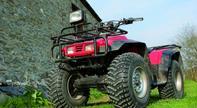 ATVs are an essential part of rural life. They are designed to cope with a wide variety of terrain and have multiple uses. They offer a quick, convenient and low cost way to get around farms and estates and we have seen them come in to their own particularly during lambing season. But, it is important to always keep in mind that there exist certain operating conditions and parameters to the safe use of ATVs and working outside of these parameters can make them unstable and increase the risk of injury.
| Send to a Friend - You may send this
newsletter to a friend |

|
You have received this issue of our newsletter because you requested it or I thought you would find it useful. If you would rather not receive any more issues, please follow this link. If this issue has been forwarded to you and you would like to receive regular issues, please follow this link. |
 |
