 |

Preserving Heritage Rural SkillsDear Reader Here at the Rural Skills Centre we are passionate about conserving of the cultural heritage of our beautiful English countryside. In particular, we are keen to support and encourage the preservation heritage rural skills such as dry stone walling, stone masonry, blacksmithing, traditional roofing and hedge laying. The regeneration of these skills not only contributes to our rural communities but can also help to reduce our carbon footprint by using natural materials and traditional practices to build, repair and maintain our estates, farms and green spaces. We hope you find the information in this month's newsletter useful, if you know of anyone else that may benefit from receiving this newsletter simply click on the button above to forward it to them. Happy reading, James Why preserve these skills?
We are all conscious of the need to reduce our carbon footprint and live greener lifestyles. Skills such as dry stone walling and hedge laying are great ways to ensure we are living greener, using less, reusing more and maintaining the landscape in a sustainable way. Training young people in these skills not only ensures we preserve our heritage but also offers the opportunity to provide young people and the unemployed with practical skills and sustainable long-term employment. The Heritage Lottery Fund and ANOB are both strong advocates of the value of using heritage skills in modern life and indeed have provided funding and support for many projects across the UK. Here at the Rural Skills Centre, we too have played our part and last year made a major contribution towards one of the largest dry stone walling projects undertaken in the Cotswolds in recent times. Working in partnership with Cheltenham Borough Council, The Farming and Wildlife Advisory Group, Natural England, The Princes Trust and The National Trust, we provided training for new entrants to the field as well as existing dry stone wallers helping to increase their skills base, gain qualifications and create career opportunities. The end result was the construction of a 1.3km long dry stone wall on the line of the historic boundary wall between Leckhampton Hill and Charlton Kings Common near Cheltenham. |
|
|
|
Upcoming Course InformationWe still have availability on the following courses: Chainsaw CS30/CS31 Dry Stone Walling Brush Cutter & Strimmer Operation |
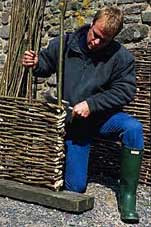 Traditionally handed down across the generations, increasingly we are seeing that there are few people left to pass on the knowledge of heritage rural skills and indeed learners often do not have the time for apprenticeships. Whilst skills such as dry stone walling may be disappearing in favour of modern building and estate management techniques, these traditional skills are essential for preserving the heritage of rural life.
 | Send to a Friend - You may send this
newsletter to a friend |

|
You have received this issue of our newsletter because you requested it or I thought you would find it useful. If you would rather not receive any more issues, please follow this link. If this issue has been forwarded to you and you would like to receive regular issues, please follow this link. |
 |
