 |

Ultra Low Sulphur Diesel and Biodiesel – the way forward?Dear Reader
The use of Ultra Low Sulphur Diesel (ULSD) and Biodiesel in agricultural vehicles and machinery can no doubt play a useful role in enhancing our rural environment and reducing harmful greenhouse gas emissions. In addition, it has been suggested by DEFRA that the production of alternatives to standard diesel fuel could also open up new market opportunities for farmers. So are ULSD and Biodiesel the way forward and what are the potential pitfalls? This issue of Growing Skills aims to give you the facts and assist you in making the right choice for your business. If you know of anyone else that may benefit from receiving this information simply click on the button above to forward it to them. Best wishes James What are ULSD and Biodiesel?ULSD, or ‘clean diesel', refers to fuel that has been refined so that it is 97% cleaner than standard diesel in terms of sulphur content. Sulphur is one of the key causes of soot in exhaust fumes and therefore a prime contributor to air pollution. As a result of the EU's Fuel Quality Directive almost all petroleum-based diesel fuels available in the UK are of ULSD type. In addition, all non-road mobile machinery is also now required to be virtually sulphur free. Biodiesel is fuel derived from plant material, for example rape seed, and recycled elements of the food chain such as vegetable and animal fats. Biodiesel can be used either as a blend with mineral diesel or as a stand-alone fuel. Benefits of USLD and Biodiesel
The pitfalls
|
|
|
|
Course InformationNPTC CS30/CS31 Chainsaw BASIS Certificate in Conservation Management 2 day LANTRA Chainsaw Brush Cutters and Strimmers ATV (Quad Bike) PA1 – Safe use of Pesticides Dry Stone Walling NPTC CS38/CS39 Tree Climbing and Aerial Rescue Rough Terrain Telescopic (Forklift) PA4 – Granule Application Dry Stone Walling Blacksmithing & Ornamental Ironwork Introduction to Tractor Driving |
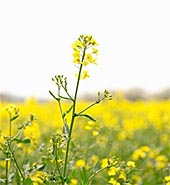 No one understands the impact of global warming more acutely than agricultural and rural industries. The effects of pollution on our air and water quality, and contamination of arable land are felt by all.
| Send to a Friend - You may send this
newsletter to a friend |

|
You have received this issue of our newsletter because you requested it or I thought you would find it useful. If you would rather not receive any more issues, please follow this link. If this issue has been forwarded to you and you would like to receive regular issues, please follow this link. |
 |
