 |

Growing Skills - Agricultural Vehicles on the RoadDear Reader All vehicles on the road are governed by Road Traffic Legislation. For private individuals these Acts, Regulations, Orders and EEC Directives are relatively straight forward. However, when it comes to agricultural vehicles these regulations can be confusing - it seems that once we are dealing with very large vehicles and loads numerous ancillary rules and regulations come into play. That's why this month we thought it could be useful to give a brief overview of some of the important issues and point you to some references that may help clarify the rules. Here at the Rural Skills Centre we run a number of vehicle courses from driving 4X4s to Tractor and Trailer operation and safety. We are also planning to run an Agricultural Vehicles on the Road training day to help you navigate your way through the regulations. If you'd like to find out more about this training day and how we can help you click here to contact James Foster, or call us on 01285 889873. If you would like to forward this issue of Growing Skills to someone you know, simply click on the link above. Best wishes James Road Traffic Regulations and Agricultural Vehicles
‘Sharp and Wide' Related Conditions There are various speed regulations related to the width of your vehicle and whether you have a trailer fitted or not. When it's over a certain size you may need to inform the police, when it's over 3.5m wide you are required to have a police escort to warn other road users that you're coming! The main regulations surrounding projections pertain to making sure that they are clearly visible and guarded. Obviously safety to other road users is paramount so you may be required to attach side markers onto the projections, and occasionally you may need to inform the police or require an escort. Remember, it's vitally important that all spikes, cutting blades or other protruding sharp appliances are effectively guarded or removed in all circumstances. If you're at all unsure about any of the above considerations or have any queries it's always safest to contact your Abnormal Loads Officer at your local Police Headquarters. Lighting Obviously it is essential to have adequate and operational lights fitted especially when there is poor visibility and at night. However, lighting requirements can vary depending on the age, speed and vehicle or trailer you are using - if unsure seek advice. When your vehicle has a maximum speed of 25mph you can fit amber flashing beacons to warn other road users, and it's obligatory when you're driving on dual carriageways with a speed limit of over 50mph. Also, remember trailers! When the load obscures your beacon you must fit another one onto your trailer. Mud on the Road You may be surprised to learn that it is an offence to leave mud on the road as it (as well as manure and other materials) can cause inconvenience to other road users. So keep your vehicle clean - it helps maintain it in good working order and, be warned, the Highway Authority can recover the cost of cleaning the road from you. It's also important to remain aware of objects ‘up high' and ‘down low'. . Beware overhead power lines as the electricity can flash if your machinery gets too close. If your vehicle is at risk of this you should be aware of the precautions to follow and what to do if contact is made. Also, remember to plan your route carefully avoiding low bridges. At the other end of the spectrum don't forget to stay vigilant for manhole covers and drains as large machinery can seriously damage them - so do your best to avoid them. There are some publications that you may find useful to refer to for more detailed explanation than we are able to provide here - take a look at the Agricultural Notebook, Agricultural Vehicles on the Road by Mike Braithwaite or Traffic Officer Companion Handbook for more details. |
|
|
|
Some of our Vehicle Courses in 2011:Agricultural Vehicles on the Road Training Day ATV: Quad bike – Operation including Implements and Loads (LANTRA Integrated Test & Assessment) Forklift Rough Terrain – Telescopic (Experienced) (LANTRA Integrated Test & Assessment) Tractors: Operation & Machine Handling (LANTRA Integrated Test & Assessment) |
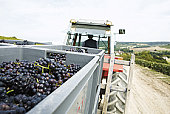 To understand and list all the Acts and Regulations could fill a book - it's an impossible task for a newsletter. So, what we're doing is outlining some of the general regulations and considerations you should know exist in relation to operating your agricultural vehicle on the roads:
| Send to a Friend - You may send this
newsletter to a friend |

|
You have received this issue of our newsletter because you requested it or I thought you would find it useful. If you would rather not receive any more issues, please follow this link. If this issue has been forwarded to you and you would like to receive regular issues, please follow this link. |
 |
