 |
Growing Skills – Conservation and BiodiversityDear Reader Whether you're an Agronomist, Land Agent, or Agricultural/Rural adviser, conservation and biodiversity are issues that concern us all. Understanding our environment and biodiversity is essential for making proper agronomic decisions and the BASIS qualification in Conservation Management gives a solid base to that understanding. We run BASIS courses here at the Rural Skills Centre and this month we've decided to give you a snap shot of one way to protect biodiversity: the cultivation of conservation headlands. So, with winter approaching if you'd like to find out about any of the courses we offer on conservation management contact James Foster now on 01285 889873 or click here to email us. If you know anyone who'd enjoy reading this newsletter please feel free to forward it onto them. Best wishes, James Conservation headlands
|
|
|
|
Finally – some management ideas for winterPlan conservation work on your farm this year. If winter is relatively quiet for you, it could be a perfect time to contact a conservation adviser, such as FWAG, for advice on environmentally friendly practices or ideas about funding and grants. Thin overcrowded woodland. Selectively fell trees that crowd others, leaving the strongest and any that are dead or dying – dead wood is valuable to wildlife and the health of wood. Buy seed for wild bird seed mixtures. Buying seed mixes now will enable you to establish an area of wild bird cover this spring. The Game Conservancy Trust recommends mixtures of kale and cereal or kale and quinoa for a two-year mix. Here at the Rural Skills Centre we can provide you with all the training you need to practice responsible and effective conservation management. For more information about our courses click here, or phone James Foster at the Centre on 01285 889873. Forthcoming conservation courses:BASIS Conservation Management 17-19 January 2011 BASIS Nutrient Management 11-13 October 2010 BASIS Soil and Water 29 November – 3 December 2010 FACTS 8-11 November – Exams 16 November 2010 Remember: All FACTS qualified advisors need to update with the NMP course in the next 4 or 5 years to continue practising. Contact James for more information. |
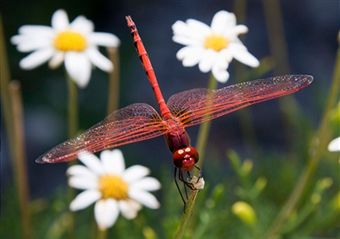 More than 75% of the land in the UK is farmed and thousands of years of agriculture have created complex habitats and resources. Also, the way farming is practised is constantly changing and currently the move away from production subsidy to countryside management reward is impacting on all of us involved in agriculture. To implement effective farmland conservation management in line with the current climate, you need to pay careful attention to a wide range of issues such as soil, air, water, wildlife, the environment and biodiversity. The focus is on us to help maintain the natural balance that is disrupted by human activity, and conservation headlands are one of the ways you can preserve and encourage ecosystems and biodiversity.
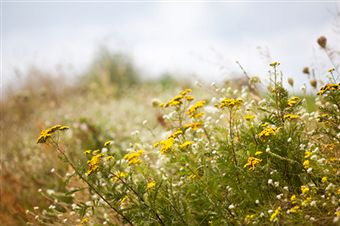 Pioneered by the Game Conservancy Trust, conservation headlands are commonly seen as a useful way of encouraging biodiversity in fields. They are constituted of an area between the crop edge and first tramline and approximately 4-6metres wide (the width of a sprayer boom) so that pesticide application can be avoided. They are treated less intensively to ensure they facilitate the survival of a broader range of broad leaved weeds and beneficial insects. Once well established, they provide an excellent habitat for insects and the birds that feed on them, although they vary depending on how they are managed.
 | Send to a Friend - You may send this
newsletter to a friend |

|
You have received this issue of our newsletter because you requested it or I thought you would find it useful. If you would rather not receive any more issues, please follow this link. If this issue has been forwarded to you and you would like to receive regular issues, please follow this link. |
 |
