 |
Growing Skills - Arboriculture: Safe Practices This AutumnDear Reader Risk management, legal issues and aesthetic considerations have all come to play prominent roles in the practice of arboriculture. That's why this month we've decided to focus on the safe practice of chainsaw use. Whether you are employed to maintain and shape woody plants and trees, or you are concerned only with personal use– it is sensible, and in some cases a legal requirement, to receive adequate training. Are you aware of the Health and Safety guidelines and legal requirements for chainsaw use? Here at the Rural Skills Centre we run numerous arboriculture courses which makes us well placed to share some information on the subject, and give a few tips on safe practice. You can find a list of our courses for 2010 at the end of this newsletter. Contact James if you would like to find out more about any of them, or any other courses we run here. If you know anyone who could benefit or may be interested in this newsletter, feel free to forward it to them. Best wishes James Arboriculture: Safe Practices This Autumn
The kind of issues you need to consider (and this is not proposed as a substitute for training) are:
There are so many important considerations to ensure safety of the operator and those around them when using a chainsaw that approved training is indispensible. Here at the Rural Skills Centre we offer a range of Arboriculture courses which lead to HSE approved certification. Whether it's training for the novice, experienced operator, or refreshers that you require you can rely on us to provide up to date, approved training. Contact James Foster at the Rural Skills Centre for more information, phone 01285 889873 or click here to email us. |
|
|
|
Arboriculture Courses at The Rural Skills Centre 2010CS30/CS31 Maintenance, Operation and Felling of Small Trees (5 day course, followed by NPTC assessment on separate day)
CS38/CS39 Aerial Rescue and Using a Chainsaw with a Rope and Harness (6 day course, followed by NPTC assessment on a separate day)
LANTRA Maintenance, Operation and Cross Cutting (2 day course with assessment on second day)
Contact us to find out about dates for 2011, or about any other courses run here at the Rural Skills Centre. Email James Foster or telephone 01285 889873. |
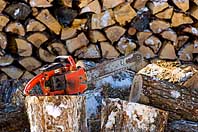 When using a chainsaw to prune, shape or fell small trees or woody plants there are a number of issues to consider. Without proper training and instruction a chainsaw is potentially extremely hazardous, not only in terms of cutting injuries, also high noise levels and hand-arm vibration can lead to hearing problems and conditions like vibration white finger. These problems can be avoided by good management practice, but the bottom line is that the HSE stipulate that anyone using a chainsaw at work should receive training, when working with trees it is a legal requirement. Furthermore, refresher courses are recommended for occasional users every 2-3 years and full time users every 5 years to ensure they remain competent and aware of the latest guidelines, working to industry best practice.
| Send to a Friend - You may send this
newsletter to a friend |

|
You have received this issue of our newsletter because you requested it or I thought you would find it useful. If you would rather not receive any more issues, please follow this link. If this issue has been forwarded to you and you would like to receive regular issues, please follow this link. |
 |
